

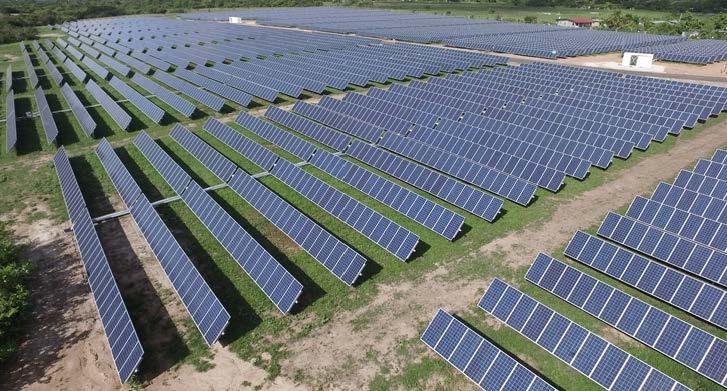
A solar system generates electricity depending on its capacity and sunlight availability. On average, a 1 kW solar system produces around 4–5 units of electricity per day. This means a 3 kW system can generate about 12–15 units daily, while a 5 kW system can produce 20–25 units per day under ideal conditions.
How Does Solar Power Generation Work?
Solar panels convert sunlight into electricity using photovoltaic cells. The amount of electricity generated depends on panel efficiency, installation angle, location, and weather conditions.
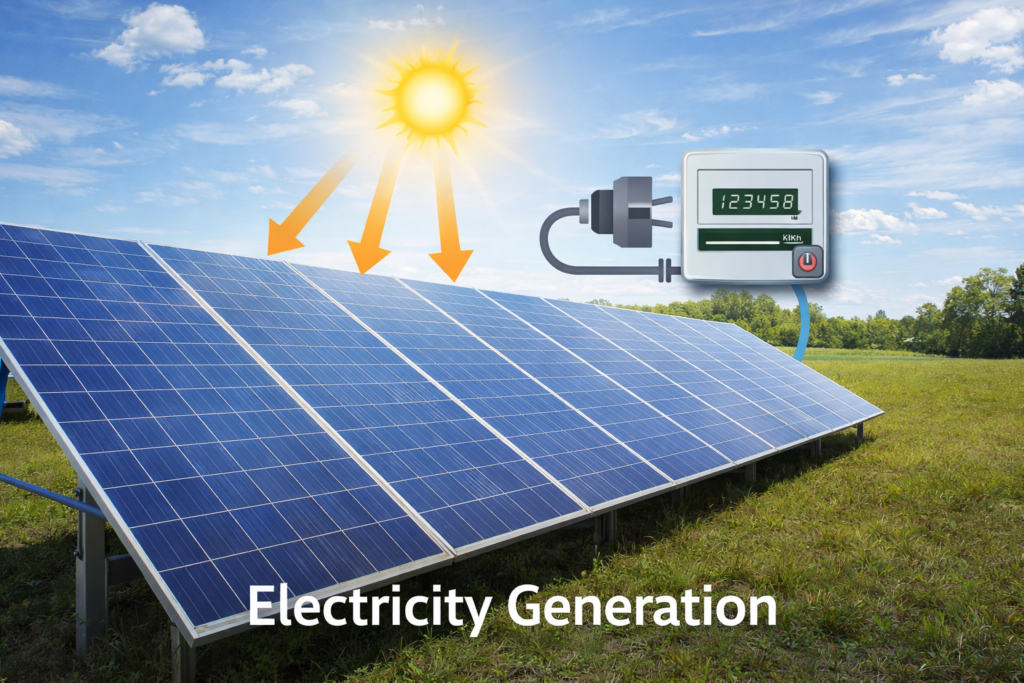
solar system electricity generation
Electricity Generation by Solar System Size
The electricity generation of a solar system is usually measured in kilowatt-hours (kWh). Below is an average estimate under Indian weather conditions:
1 kW Solar System
A 1 kW solar system generates around 4–5 units of electricity per day.
That means approximately:
- 120–150 units per month
- 1,400–1,800 units per year
This size is suitable for small households with basic electricity needs.
3 kW Solar System
A 3 kW solar system can generate 12–15 units per day.
Monthly generation is around:
- 360–450 units
This is ideal for medium-sized homes.
5 kW Solar System
A 5 kW solar system generates about 20–25 units per day.
Monthly generation can reach:
- 600–750 units
Perfect for large homes and small offices.
10 kW Solar System
A 10 kW solar system can generate 40–50 units per day, making it suitable for commercial buildings and factories.
Factors That Affect Solar Electricity Generation
Several factors influence how much electricity a solar system can generate:
1. Location
Areas with higher sunlight hours generate more electricity. In India, solar systems perform very well due to abundant sunshine.
2. Sunlight Hours
On average, India receives 4–6 peak sunlight hours per day, which supports high solar power generation.
3. Panel Efficiency
High-quality solar panels generate more electricity even in limited sunlight.
4. Installation Angle & Direction
South-facing panels with the correct tilt angle produce maximum output.
5. Weather Conditions
Cloudy weather and dust can reduce solar power generation slightly, but modern systems still work efficiently.
How Much Area Is Required?
On average:
- 1 kW solar system needs 80–100 sq. ft. of rooftop space
So, a 5 kW system requires around 400–500 sq. ft.
Benefits of Generating Electricity from Solar Energy
- 🌞 Reduces electricity bills
- 🌱 Eco-friendly and renewable
- 💰 High return on investment
- ⚡ Low maintenance cost
- 🏠 Increases property value
Is Solar Power Worth It?
Yes, solar power is a smart long-term investment. With rising electricity costs, installing a solar system helps you save money while contributing to a cleaner environment. Government subsidies and net metering further increase the benefits of solar electricity generation.
Frequently Asked Questions (FAQs)
Q1. How much electricity can a solar system generate in a day?
A solar system generates around 4–5 units per day per kW depending on sunlight and location.
Q2. Can solar panels work during cloudy days?
Yes, solar panels still generate electricity on cloudy days, but at reduced efficiency.
Q3. How long do solar panels last?
Most solar panels last 25–30 years with minimal maintenance.
Q4. Can solar energy run AC and heavy appliances?
Yes, with the right system size and inverter, solar energy can run ACs and heavy appliances.
Conclusion
Understanding how much electricity a solar system can generate helps you select the right solar capacity for your needs. Whether it is a 1 kW system for a small home or a 10 kW system for commercial use, solar energy is a reliable, cost-effective, and sustainable power solution.